The reason for the existence of most of the world’s cities is obvious to the student of geography. New York and Shanghai control deep ports and straddle great rivers bringing trade from the interior; Paris and London are at the crossing points of major cross-country rivers; Johannesburg sits atop a great mountain of gold ore; and Moscow and Madrid are at the heart of their great nations, easily able to control even the more distant corners of the land.Mecca, however, is different, as the city exists solely because it is holy. Even centuries before the birth of the Prophet Muhammad, the leaders of Mecca established that their city was the pre-eminent holy site in western Arabia and established a truce for pilgrims to the city. In the process, one effect of this was that Mecca became a center for might today be described as tourism, as even ancient visitors needed places for food, water, and sleep. At the same time, they could make offerings in the temples and leave with mementos of their time in Mecca. Many also found it convenient to bring their trade goods to the markets of Mecca, where they could find visitors bringing interesting wares from across the region, and the city also enjoyed the status of a trade center. Even centuries before the birth of the Prophet Muhammad, Jews settled in the area that became Medina to escape persecution at the hands of the Babylonians and Romans, meaning the area and its arid environment brought inhabitants precisely because it wasn’t an attractive or resource rich area. In fact, the city fated to become the second holiest city in Islam earned that spot simply by straddling trade routes to the religious city of Mecca, which brought traders and pilgrims in large enough numbers to make it a trade center.While people in the West are more familiar with Jerusalem’s importance to Jews and Christians, Jerusalem’s particular importance to the religion of Islam is without question one of the major sticking points in the Israeli-Palestinian conflict. Prior to Israeli control, Jerusalem had been predominantly controlled by Muslim rulers since the 7th century and had been used as a type of political currency, legitimizing the ruling dynasty’s claim over the city. This right of control by Muslims was viewed no more differently than control over Mecca and Medina in the Arabian Peninsula. For the world’s Muslim population, Jerusalem is a holy site because Muslims believe the Prophet Muhammad visited Jerusalem where he ascended to heaven during the famous “Night Journey.” There was also a period of time during the Prophet’s life when Muslims prayed in the direction of Jerusalem, as opposed to Mecca. Just as in Judaism and Christianity, Jerusalem plays a central role in End of Days prophecies in Islamic theology.There was not any one entity more central to the Yahwistic Judean religion during the monarchy than the temple of Solomon. It symbolized the presence of YHWH in the nation, as well as his enduring protection of the nation and the Davidic royal throne. Judean worshippers directed their prayers toward the Solomonic temple, and eventually, the Judean prophets and theologians declared that this was the only legitimate location where priests could perform sacrifices and other religious rites for YHWH. Its significance can be seen most clearly in the dramatic cognitive dissonance experienced by the Judeans in Babylonian captivity after the destruction of the temple, which had been so central to their religious conception that they had great difficulty reconciling its destruction with their continued belief in YHWH at all.
save
$6.99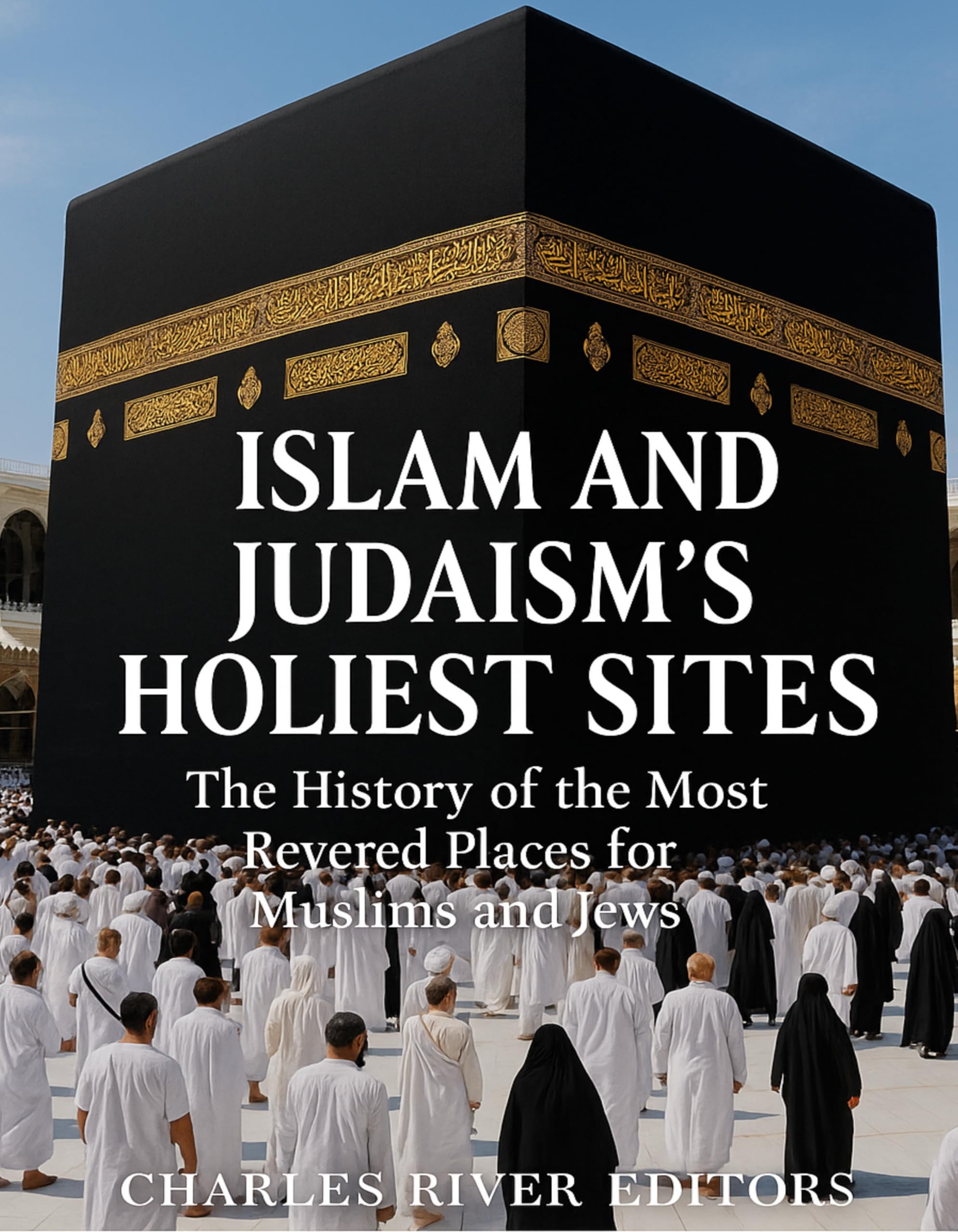
Islam and Judaism’s Holiest Sites: the History of the Most Revered Places for Muslims and Jews
$0.00$6.99
Explore how sacred cities like Mecca, Medina, and Jerusalem shape religions, politics, and trade, revealing their unique historical significance and enduring cultural impact throughout the ages.