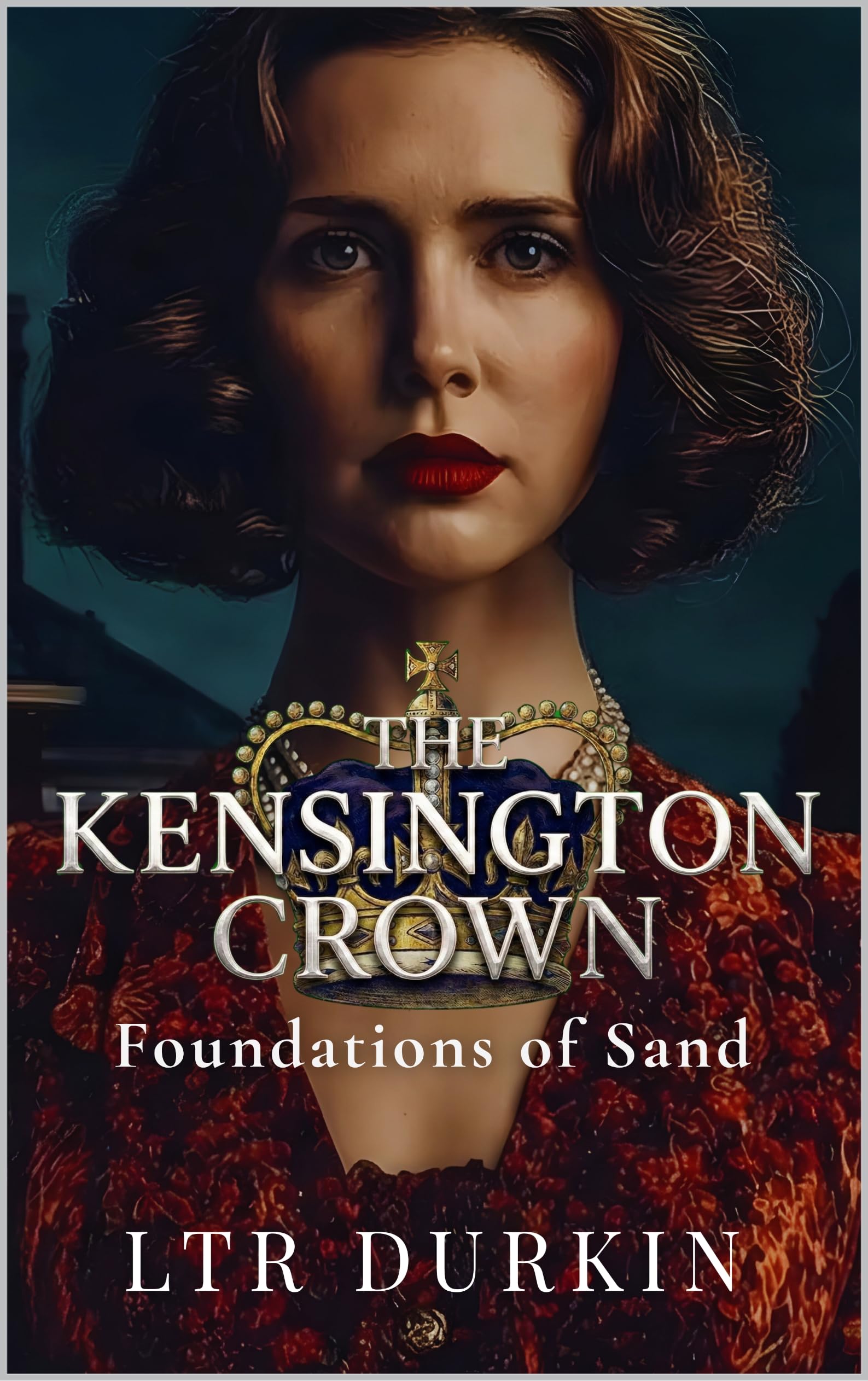
If you have ever wondered what would happen if the sharp, mercantile ambition of Succession was transplanted into the lush, high-stakes ballrooms of Bridgerton, you will find your answer in Foundations of Sand. This is not a standard Regency romp of chaperones and lighthearted flirtation; it is a precision-engineered narrative of social warfare and financial survival where the “marriage mart” functions as a high-stakes corporate merger.
The story opens with the arrival of Étienne Valencourt, a man whose continental charm is a meticulously crafted mask for the rot of a failing banking empire. He is a “fraudulent” conqueror, a man of simulated perfection who views the land-rich Hawthorne family not as a romantic prospect, but as the essential anchor for his vanishing fortune. Standing in his way is Charlotte Hawthorne, a woman who refuses to be a passive asset in her family’s liquidation. As she evolves from a dutiful daughter into a master strategist, Charlotte learns to navigate the technicalities of 1816 property entails and the predatory gaze of creditors with the same fluency she once reserved for poetry.
The tension is a slow-burn architectural feat, moving from the muffled gray fog of the Kensington Road to the acoustic containment of the “Storm Chamber,” where every conversation is a move on a mental ledger. Unlike the sweeping, often unearned reversals of traditional historical romance, every shift in power here is earned through superior intelligence and calculated risk. Charlotte and Étienne find themselves locked in a tactical alliance against the Duke of Wrexham, a traditionalist whose philosophical vendetta against modernity makes him a chilling antagonist in an era of shifting tides.
Foundations of Sand delivers the opulent atmosphere of a period drama with the relentless, cause-and-effect sequencing of a modern thriller. It is a story for readers who want their Regency heroes to be brilliant, their heroines to be architects of their own fate, and their stakes to be measurable. Step into a world where the pearls are a burden, the sunlight is a weapon, and the only way to survive the “existential ruin” is to build something entirely new from the wreckage of the old world.