The key points to consider when creating a thrifty, self contained allotment or garden in the UK with regenerative techniques. From making your own compost to turning weeds into productive gems, and the DIY manufacture, charging, and inoculation of Black Soil Magic (biochar), a valuable soil amendment. On site production of biochar also captures carbon, promoting a long term reduction in the emission of greenhouse gases.Separate chapters outline new ways to manage an allotment plot, including Modular, Metre Squared beds, little and often harvesting, and Raised Self Watering Containers to provide accessible gardening at a convenient height.With an emphasis on thrift, money saving tips like saving seeds and making the best use of greenhouses, sheds, cloches, and fleece will further reduce the environmental impact of allotment gardening.A detailed description, with photographs, covers the DIY production of biochar by pyrolysis and its conversion into Black Soil Magic. Learn how to crush, activate and inoculate raw char before using it to enhance the soil biome and make your own, sterile potting composts for free. Separate large pieces of char for use as a thrifty garden barbecue fuel.A monthly planner offers crop choices for successful little-and-often allotment gardening, budget costs, and a comparison of no dig, minimal cultivation, and traditional fully dug allotment beds. The relationship between soil cation exchange capacity, microbes, fungi and plants is also examined.Improvements in natural pest and disease control, plant vigour, and the development of a balanced ecosystem will reduce the need for synthetic chemical intervention. Learn how to manage slugs during epidemics and encourage natural predators.
save
$9.99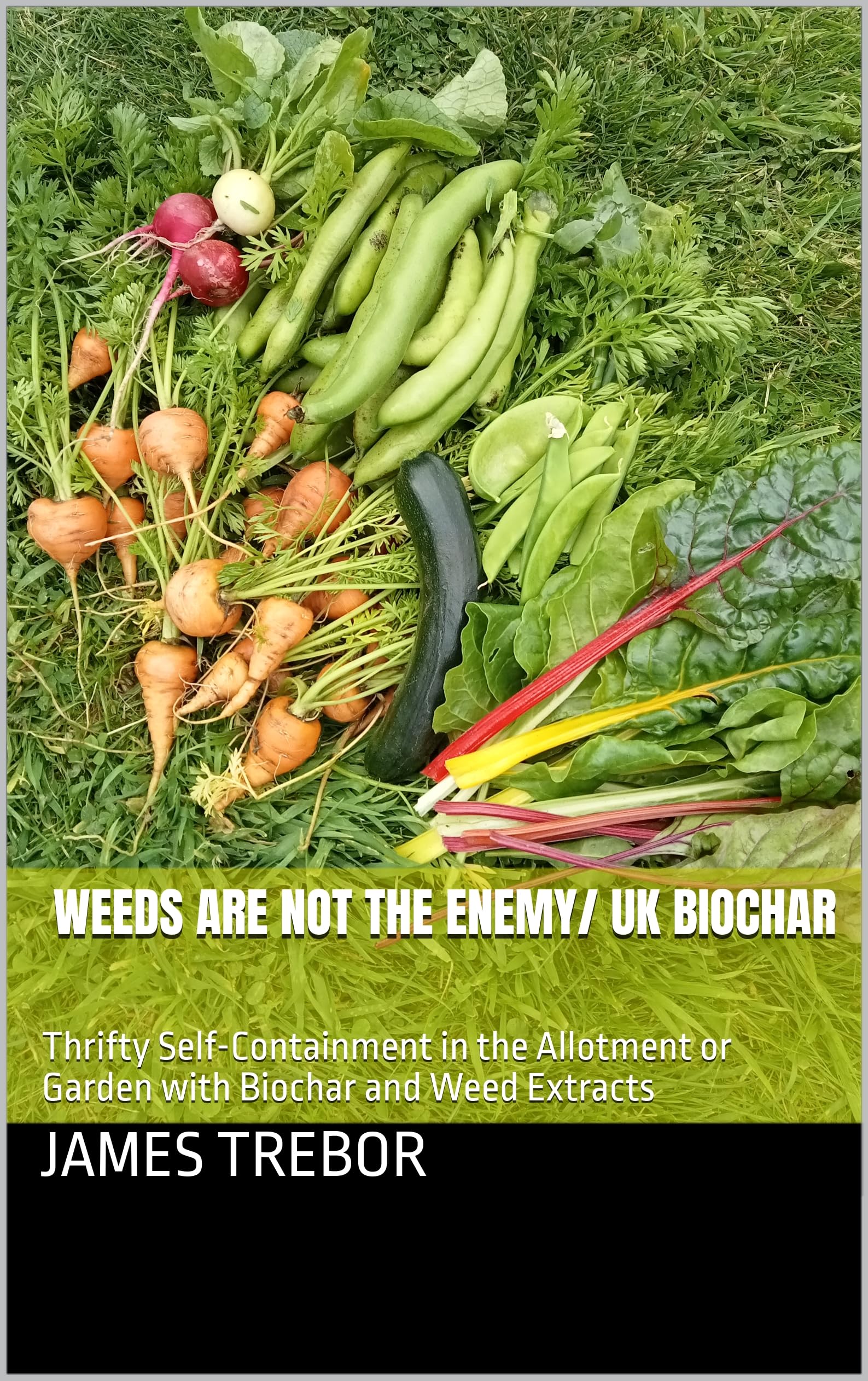
Weeds Are Not the Enemy/ Uk Biochar: Thrifty Self-containment in the Allotment or Garden With Biochar and Weed Extracts
$0.00$9.99
Create a sustainable UK garden using thrift and regenerative techniques. Learn composting, biochar production, and innovative gardening methods for healthier plants and reduced environmental impact.